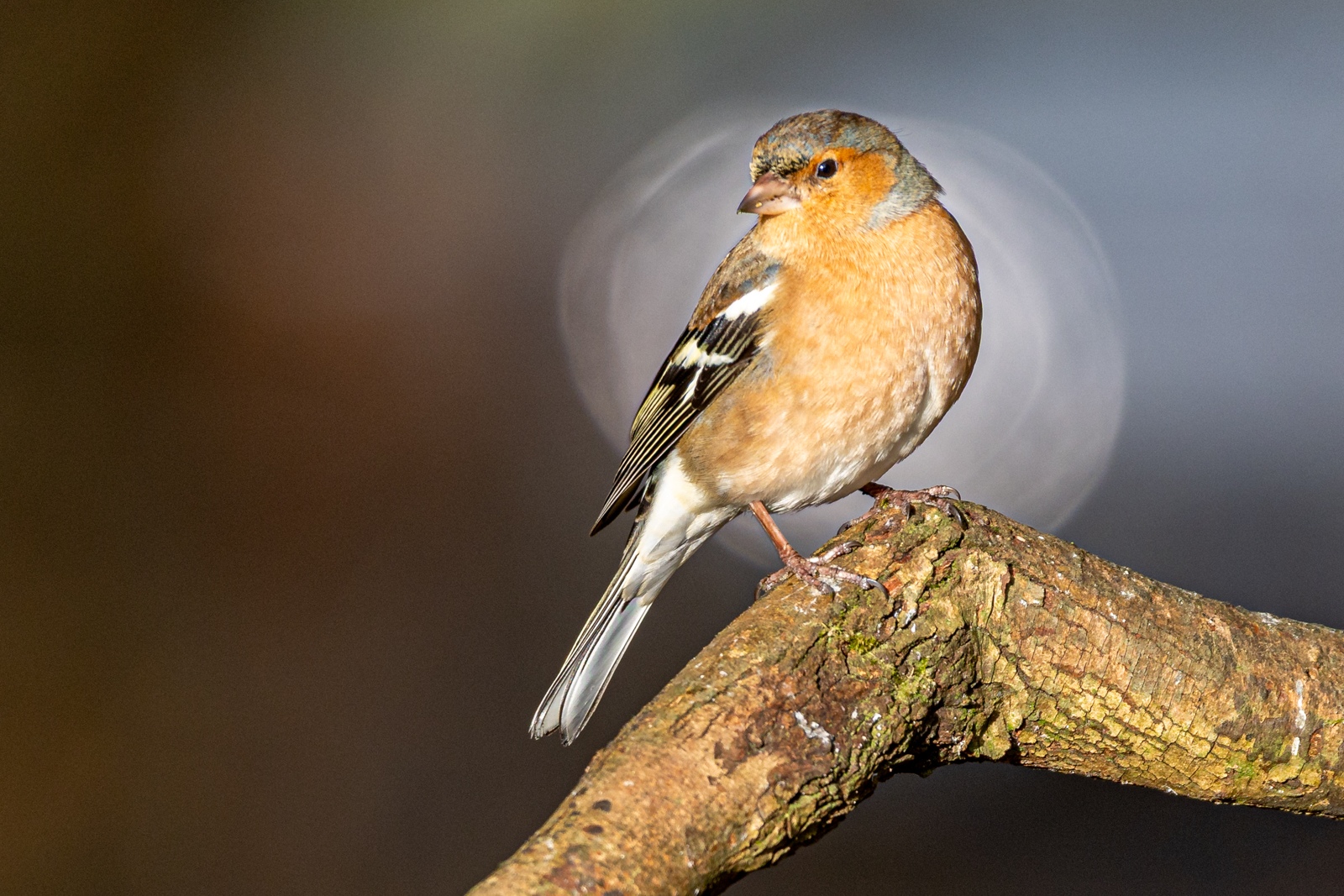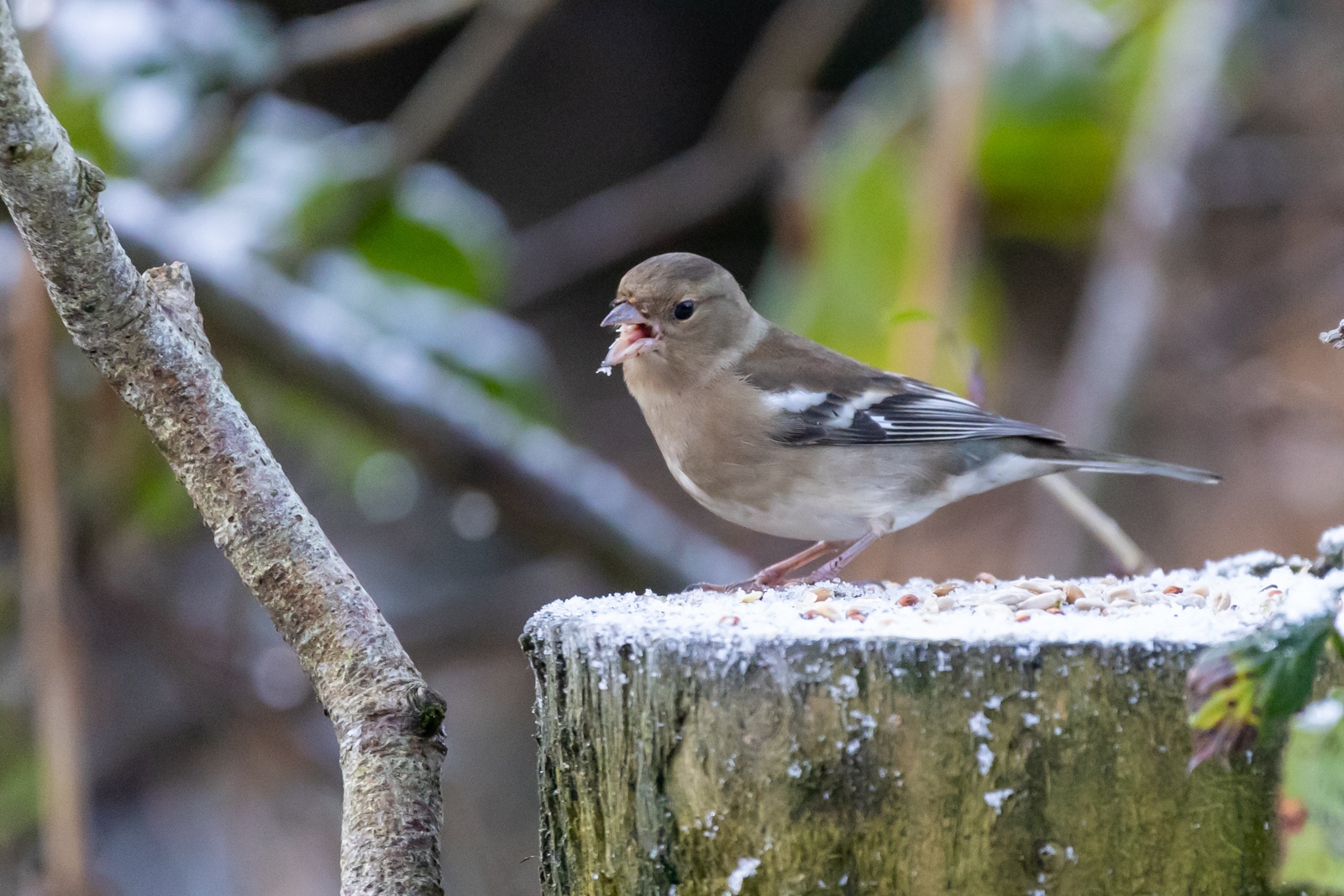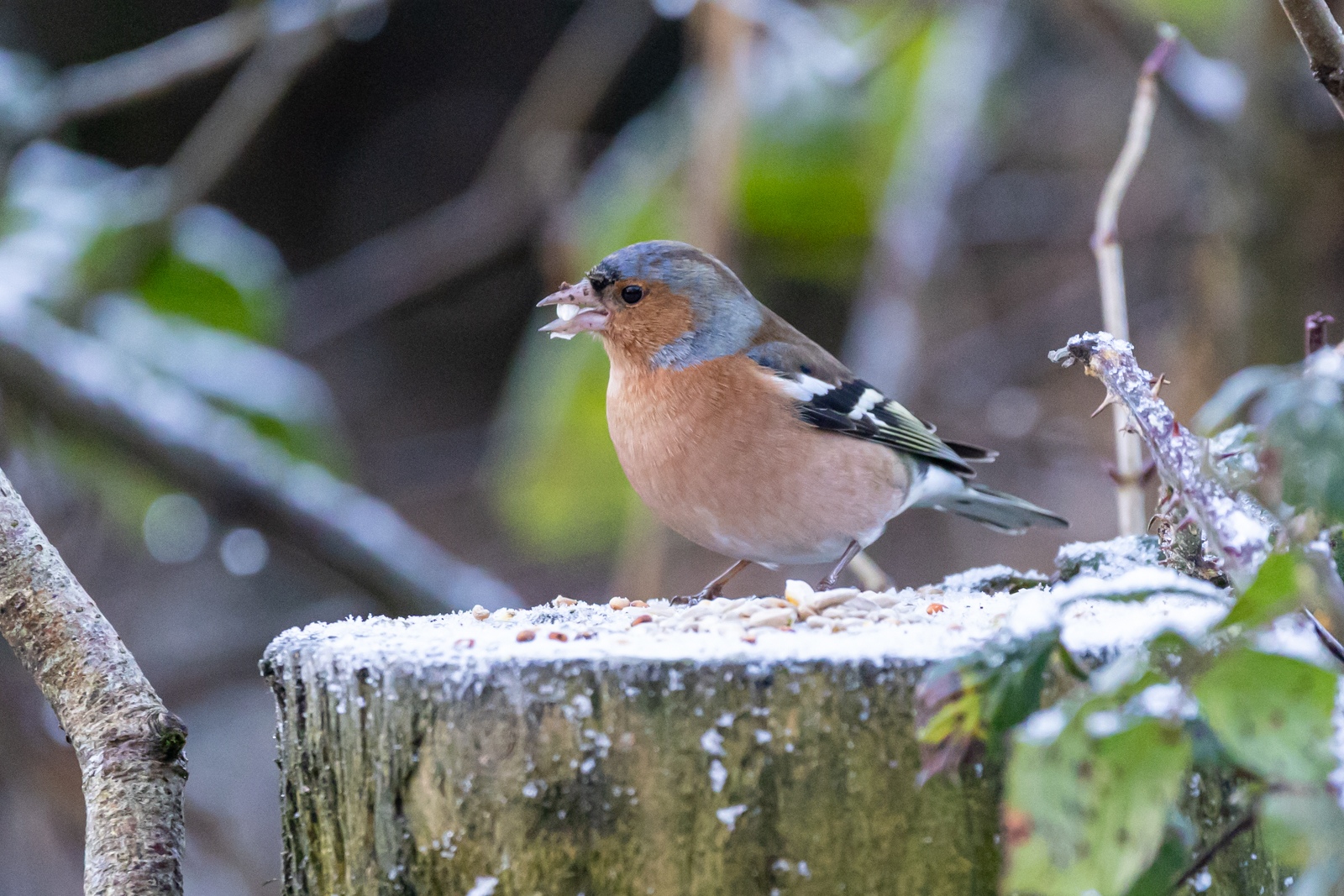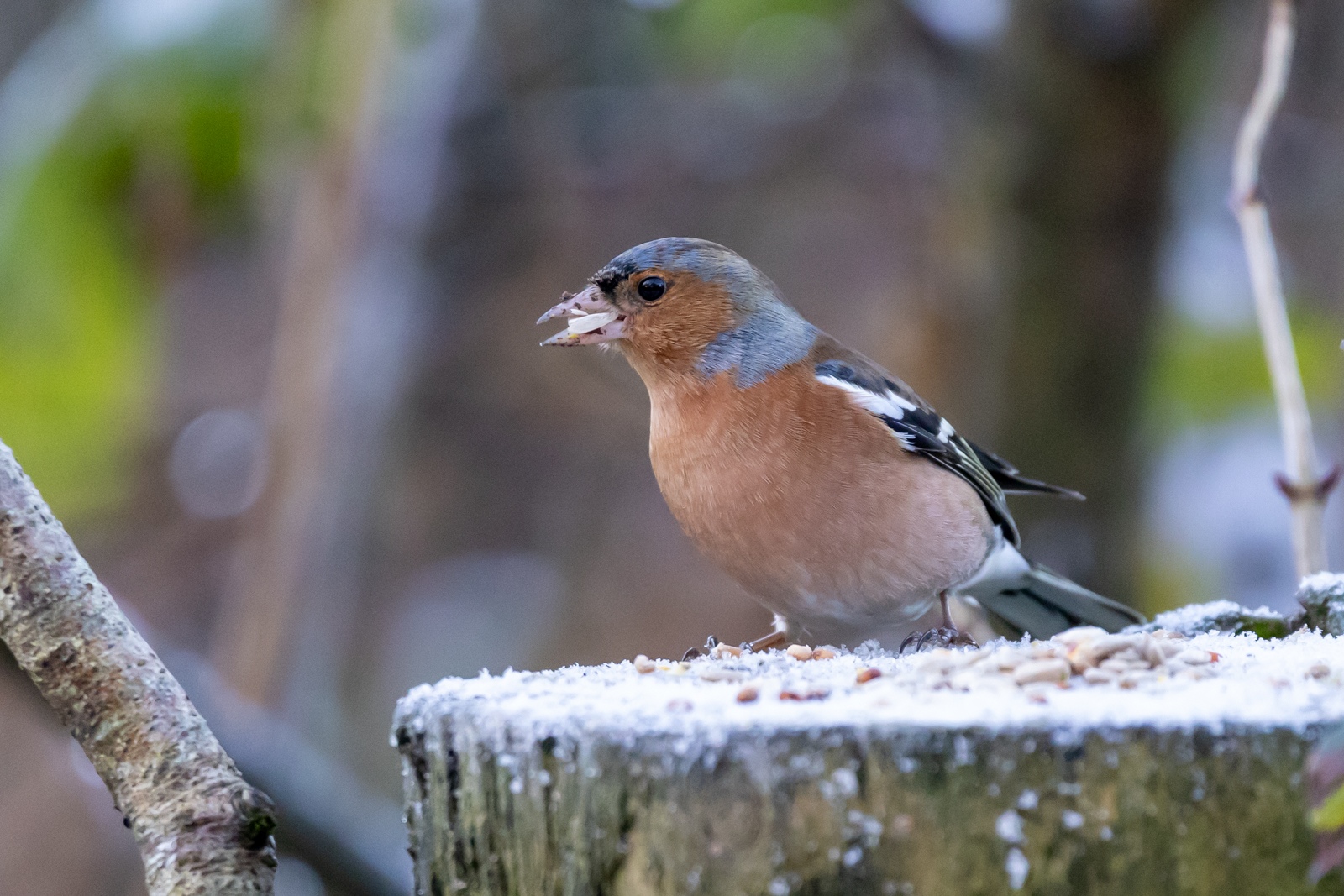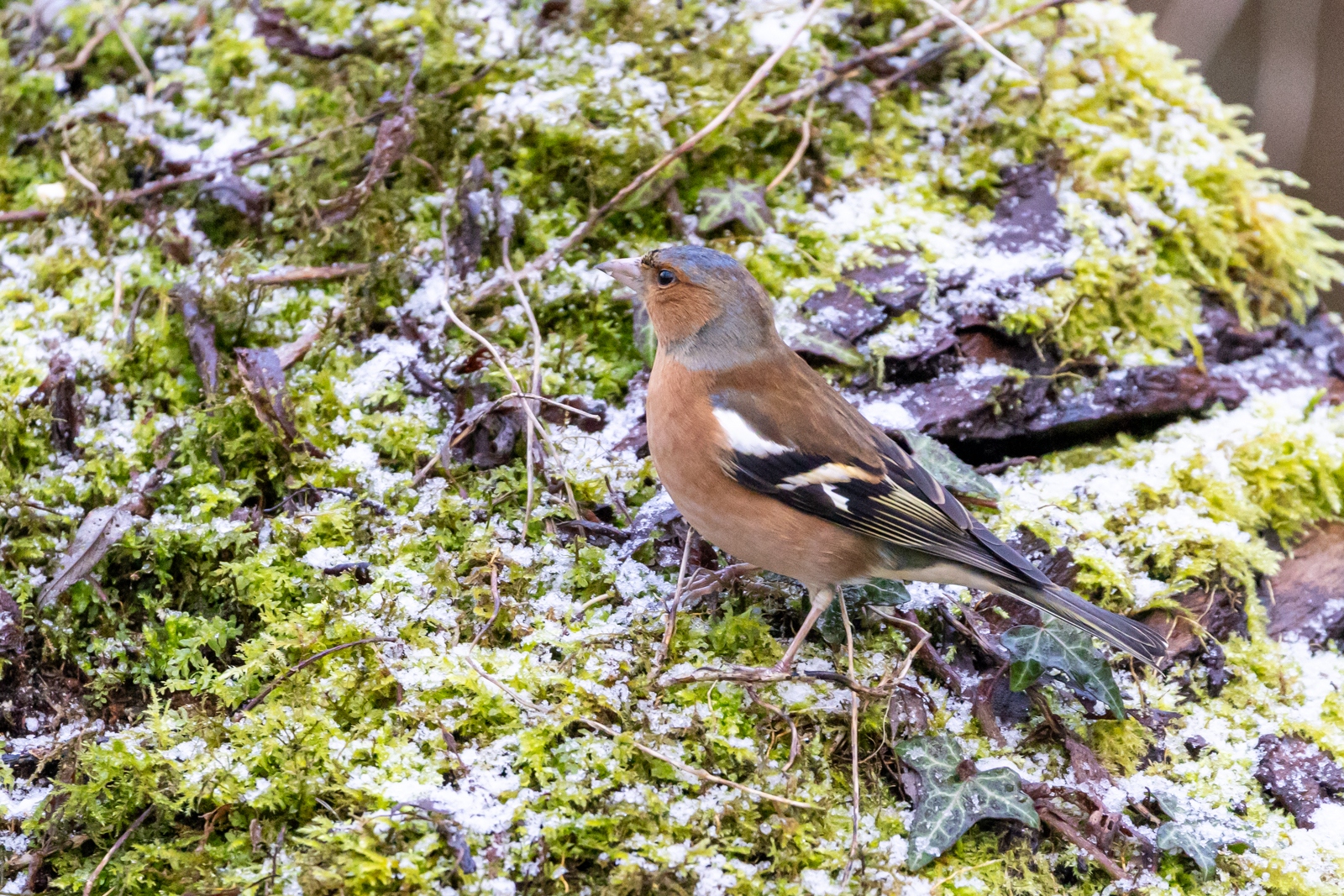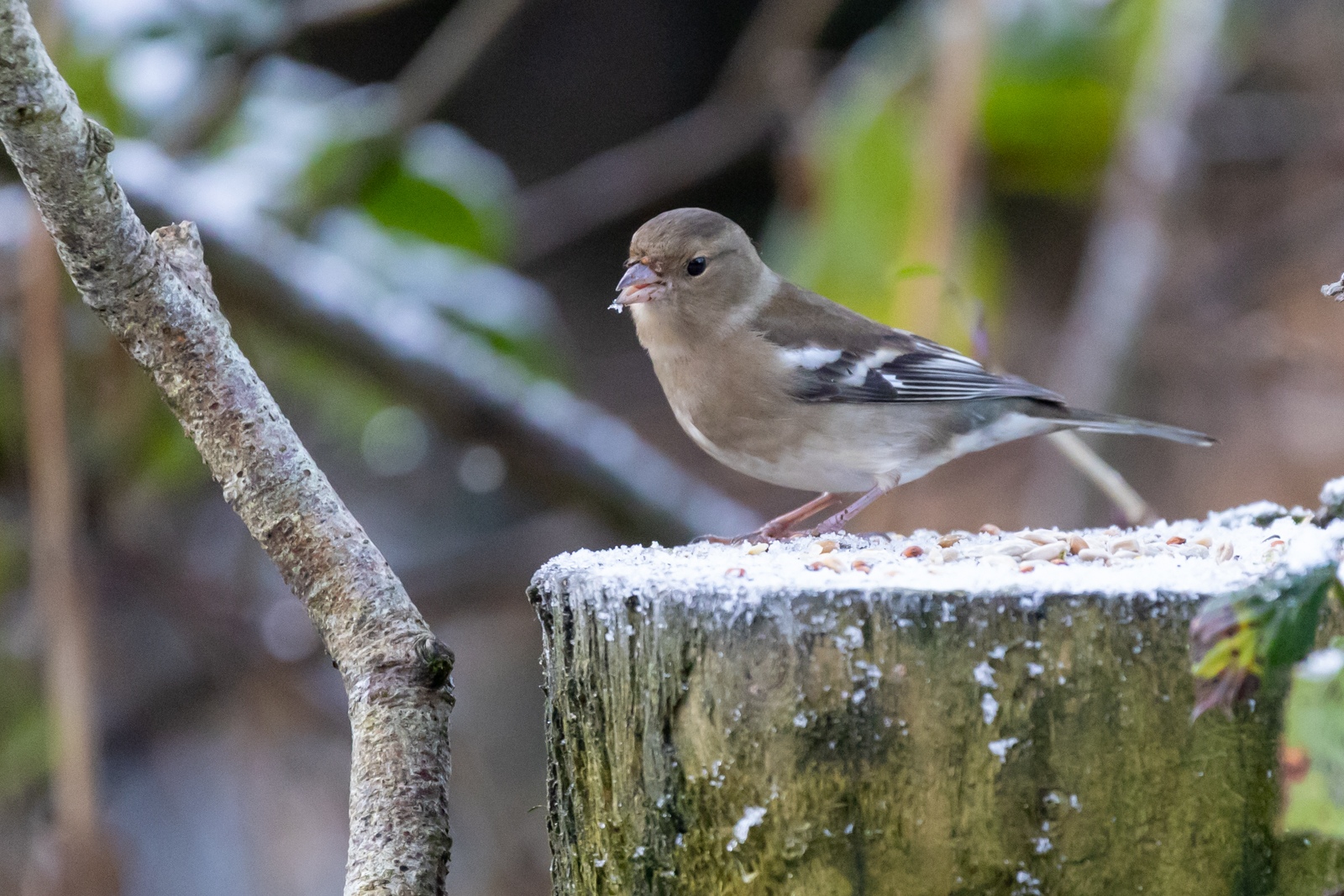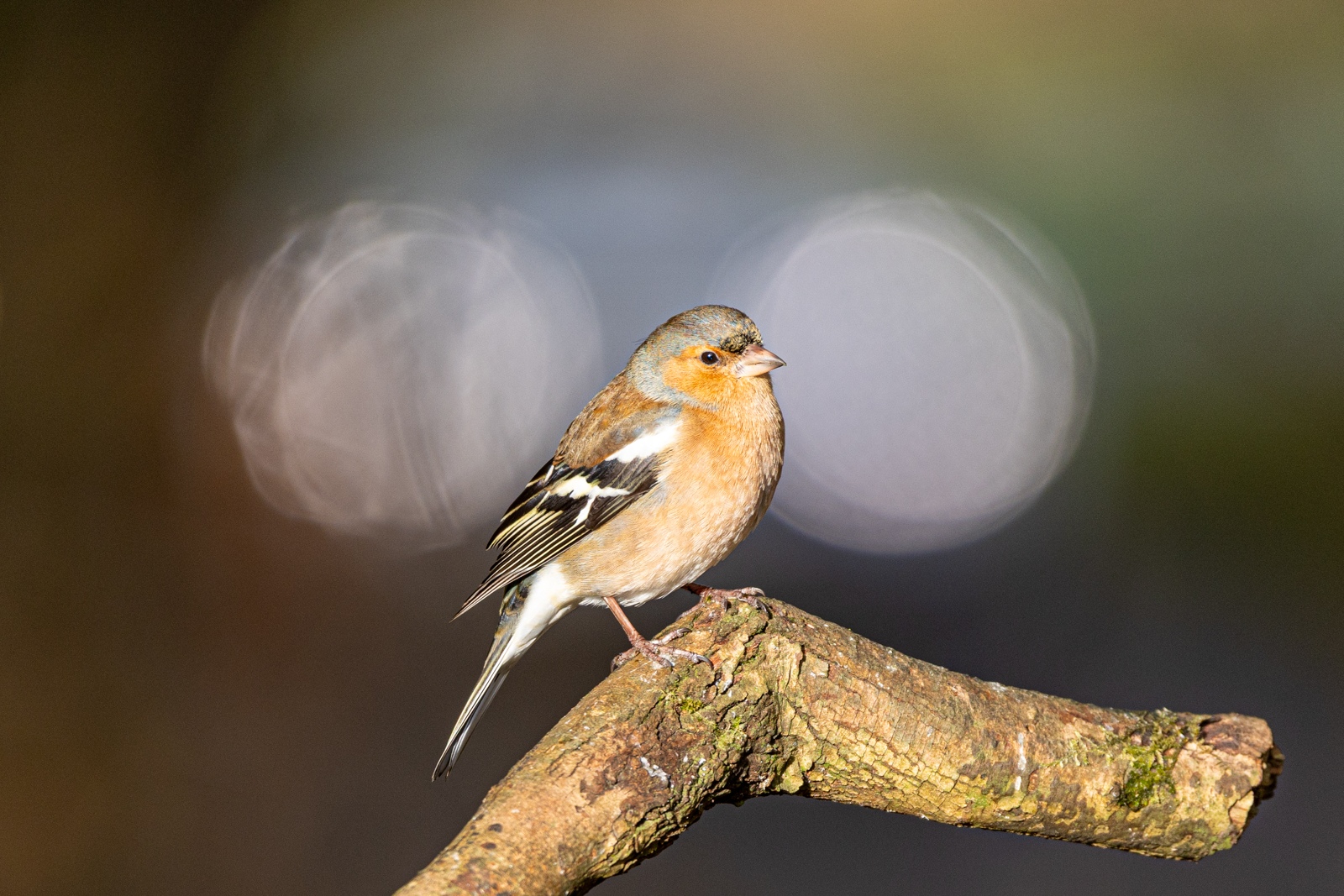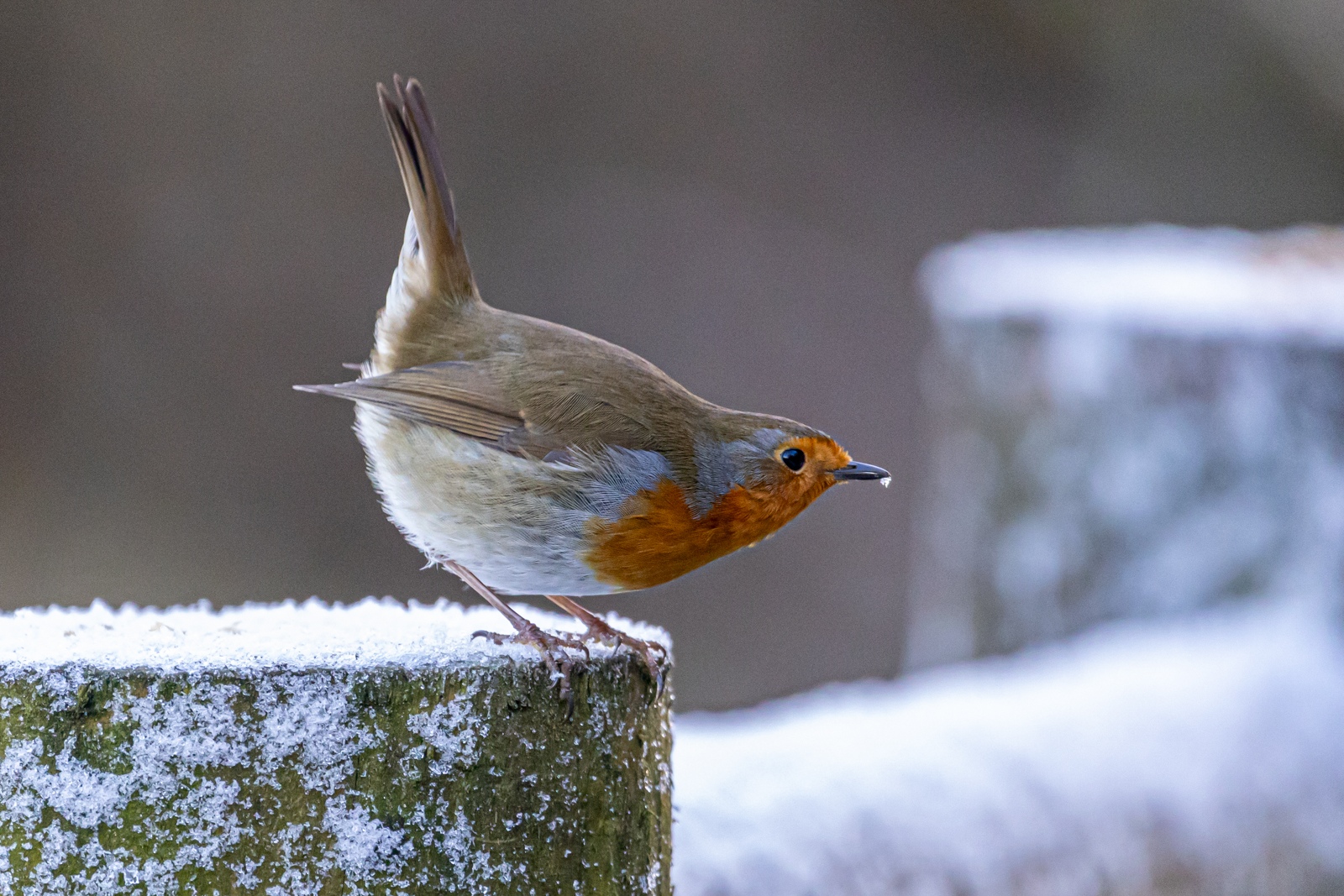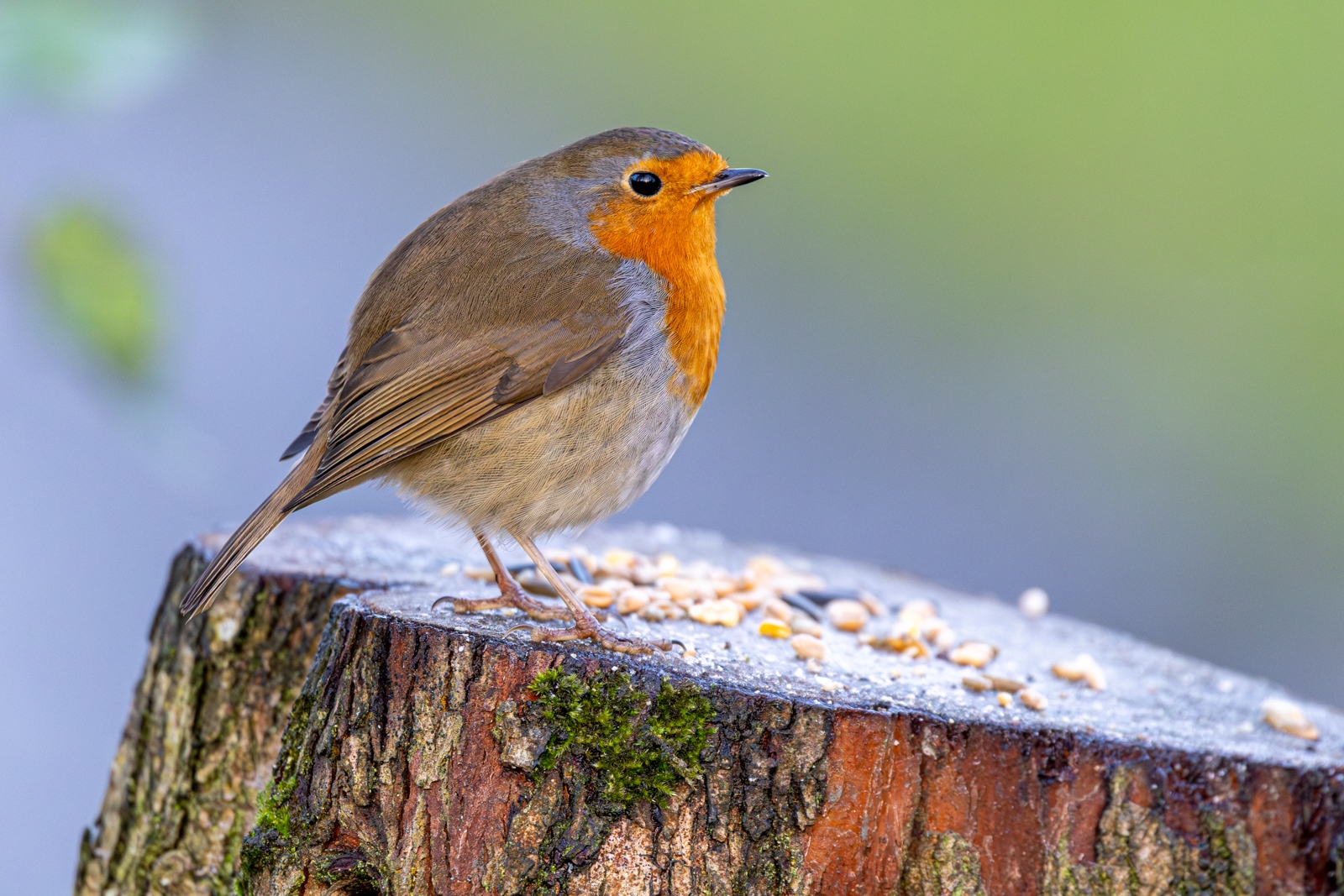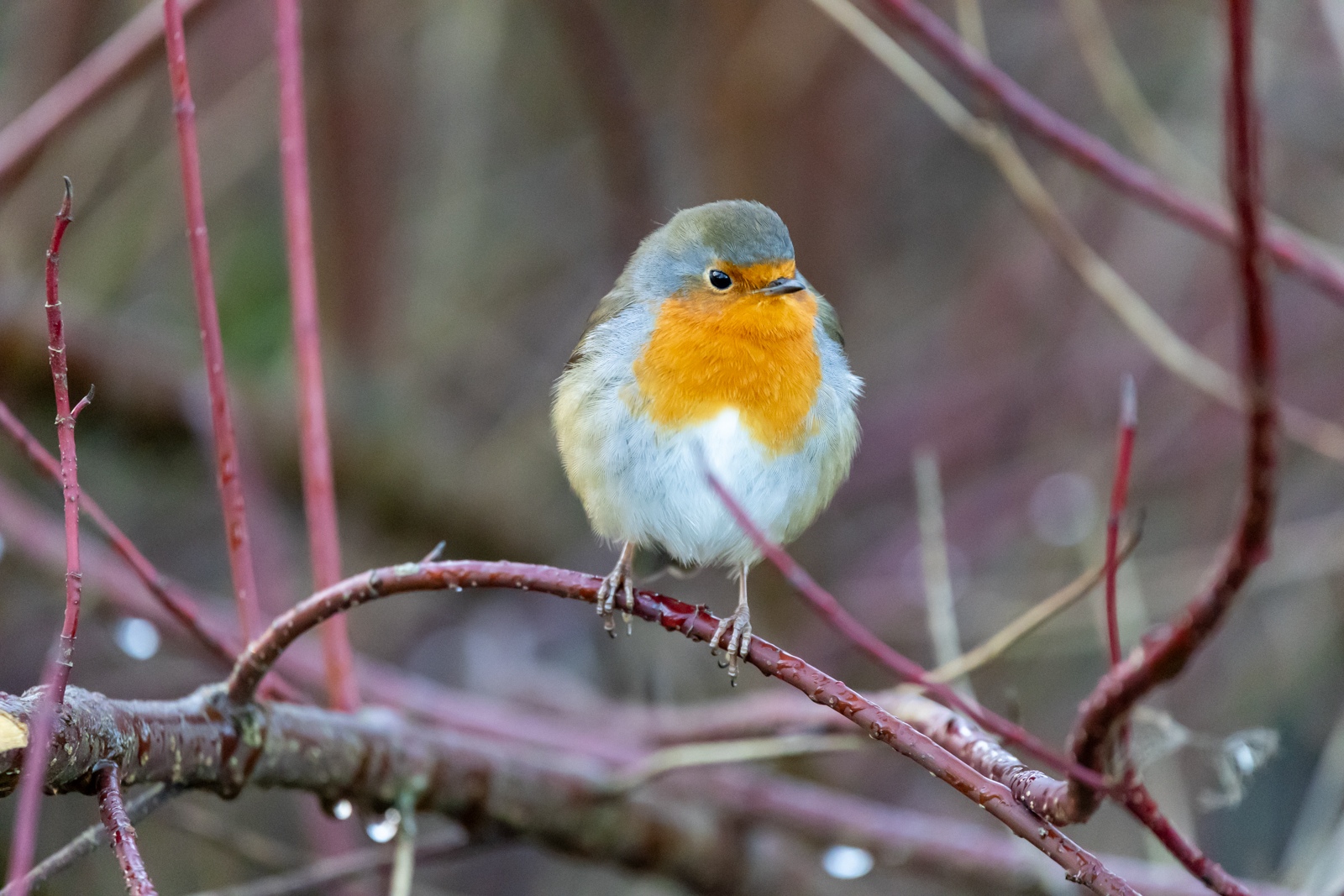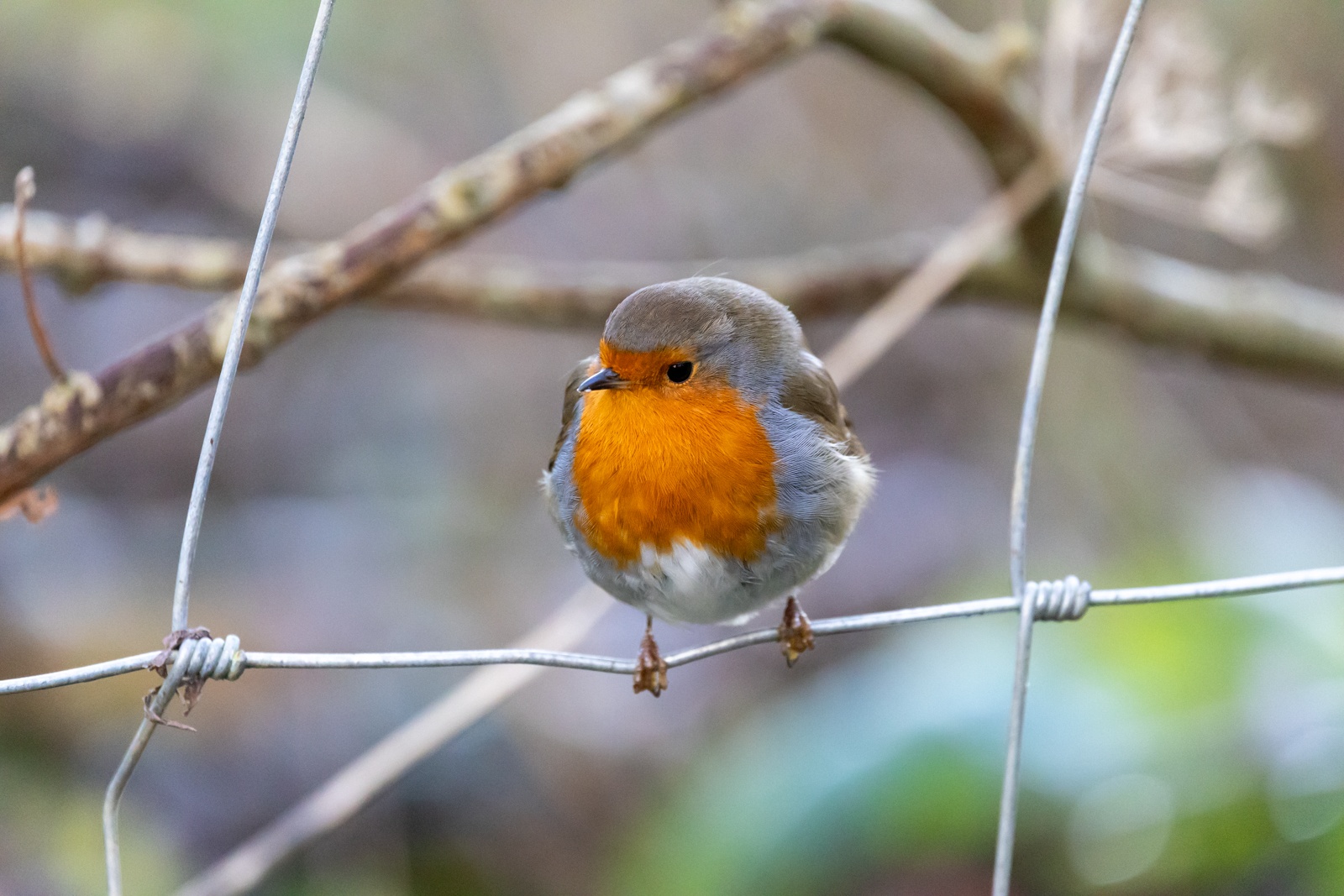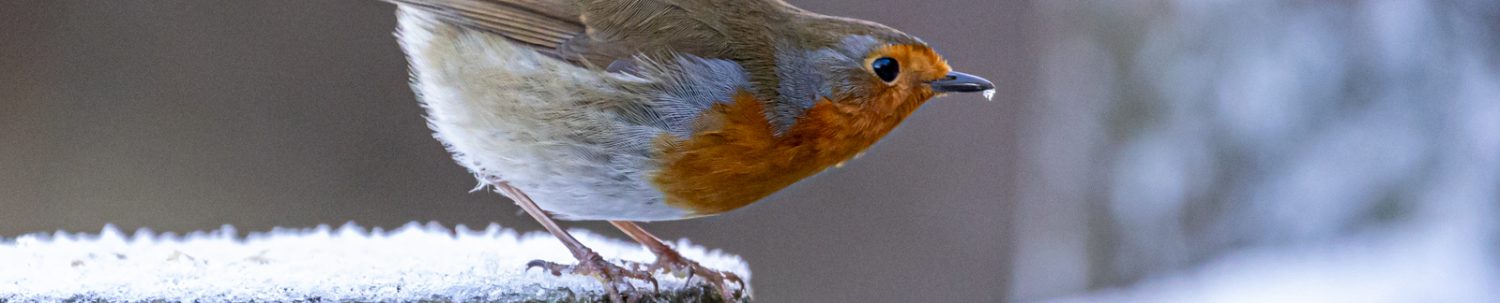
The Chaffinch (Fringilla coelebs) is one of the most colourful and common finches in Northern Ireland. Males are easily identified by their blue-grey crown and nape, chestnut-brown back, and striking pinkish-red breast and cheeks. Females and juveniles are more subtle, sporting olive-brown plumage that provides excellent camouflage. A key identifying feature for both sexes is the presence of two bold white wing bars and white outer tail feathers, which become particularly prominent when the bird is in flight.
In terms of habits, the Chaffinch is a social bird that often forages on the ground rather than feeding directly from hanging bird feeders. They are frequently seen hopping beneath bird tables to pick up fallen seeds. While they primarily eat seeds and fruit, their diet shifts to insects and caterpillars during the breeding season to provide essential protein for their young. They are also known for their loud, rhythmic song—a cascading series of notes ending in a distinctive flourish—which males use to establish territories starting in early spring.
Nesting typically begins in April, with the female constructing a remarkably neat, cup-shaped nest in the fork of a tree or deep within a shrub. These nests are architectural marvels, built from moss, grass, and feathers, and intricately bound together with spider webs. To further camouflage the nest from predators, the exterior is often decorated with bits of lichen and bark. Females usually lay a clutch of four to five light blue or greenish eggs with purplish-brown markings.
In Northern Ireland, Chaffinches are a ubiquitous sight, appearing in nearly every suitable habitat including woodlands, hedgerows, farmland, and urban gardens. They are resident year-round, with the highest breeding densities in Ireland actually found in the province of Ulster. During the winter months, the local population is significantly bolstered by large numbers of migrant birds arriving from Scandinavia and Western Europe to escape harsher continental winters. During this time, they often form large mixed flocks with other finches, such as Bramblings, to forage in open countryside and stubble fields.